 Come back
IDSA analyzes interoperability between data spaces based on a real-world use case
 Come back
The International Data Spaces Association (IDSA) has published a new paper that analyzes one of the major challenges for the international expansion of data spaces: how to establish trust mechanisms that allow companies and AI actors to securely exchange data across different countries and ecosystems.
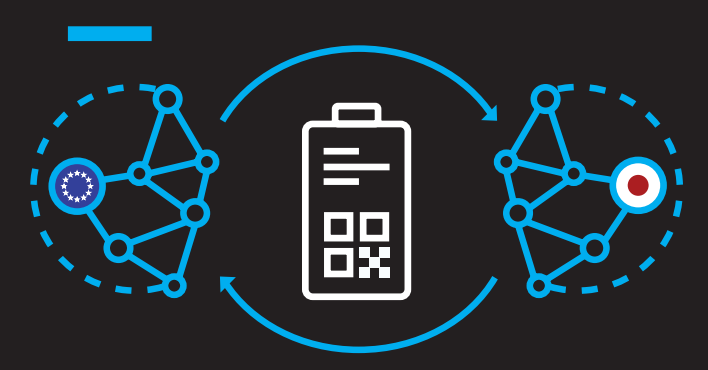
The paper presents a pilot data-sharing initiative between Europe and Japan, using the Battery Passport use case to demonstrate how different infrastructures and trust models can interoperate. The study explores the connection between European and Japanese trust environments and addresses issues such as identity and the mutual recognition of trust anchors, highlighting the challenges posed by cross-border data exchange.
The paper highlights that, for data spaces to scale globally, it is not necessary to establish a single trust model, but rather to develop mechanisms that allow for the federation of different models and ensure the identity and authenticity of the organizations participating in these ecosystems.
If you’d like to learn more about this work, you can access the full document in the BAIDATA Library, where we compile knowledge, standards, and publications generated by BAIDATA and other leading organizations in the data economy.